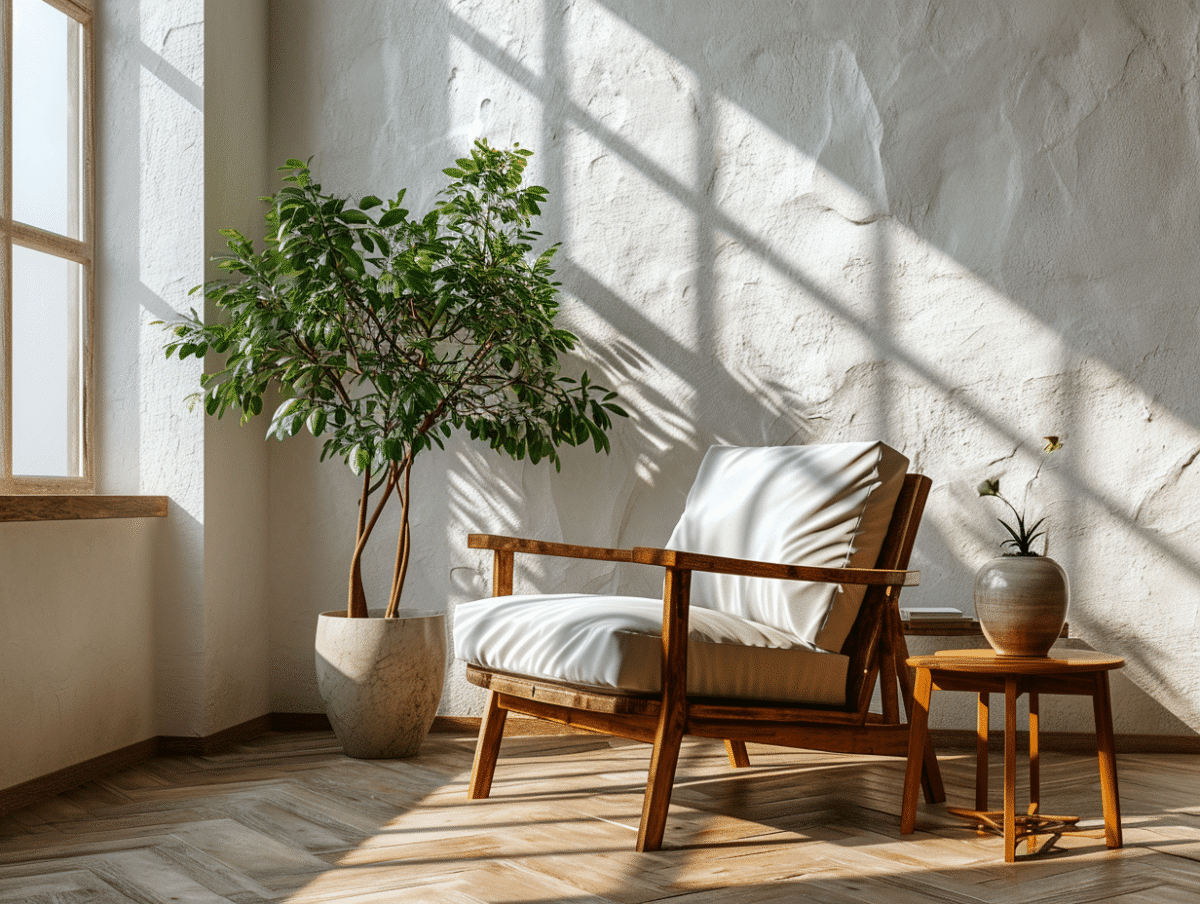
In an era marked by overconsumption and the accumulation of material goods, minimalism emerges as an appealing countercurrent, proposing a more streamlined and intentional approach to life. This lifestyle encourages prioritizing quality over quantity, shedding the superfluous to focus on the essentials. Adopting a minimalist lifestyle is not just about reducing possessions; it is also a philosophy that promotes personal well-being, environmental preservation, and responsible consumption. It is a deep reflection on our real needs and an invitation to redefine our priorities.
The Fundamental Principles of Minimalism
Minimalism, a concept often misunderstood, is primarily defined as a lifestyle aimed at living with the essentials and getting rid of the superfluous. In the face of a society that actively encourages consumption, minimalism appears as a healthy reaction to material abundance and the excesses it engenders.
Minimalism advocates do not merely reduce the number of objects they own; they also adopt a mindset that favors conscious and measured consumption. This approach to consumption transforms into a quest for meaning and personal satisfaction, far from the purchasing impulses dictated by advertising and fleeting trends.
At the heart of the minimalist approach lies ‘The Rule of Me’, an introspection that leads one to question the true utility and added value of possessions in our daily lives. By applying this rule, one can distinguish what is fundamental from what is accessory, thus allowing a focus on what truly enriches our lives.
The Art of Simplicity is therefore embodied in every choice of ownership and use of material goods. It is not about living in deprivation, but about recognizing and promoting quality, durability, and functionality. Minimalism advocates a return to the essence of things, where each object has a defined place and role, thereby freeing space and mind from unnecessary clutter.

Practical Steps to Adopt a Minimalist Lifestyle
Decluttering is the first step towards minimalism. This action, far from being limited to simple cleaning, involves a complete reassessment of the utility and relevance of material possessions. Start with the spaces where clutter is most visible, such as the wardrobe or the living room. The goal is to create an airy and orderly space that reflects a certain harmony and fosters a serene state of mind.
The sorting method is essential in this process. Inspired by organization experts like the Japanese Marie Kondo, this method consists of keeping only the items that ‘spark joy’ or are indispensable. Ask yourself how often you use the items and their real importance in your daily life. Sorting should be systematic and can extend to books, documents, and even memories.
Continue with conscious consumption. This practice invites you to think before each purchase about the real necessity of the item and its environmental impact. Choose durable, quality products, and if possible, support local economies and short supply chains. Conscious consumption is also a commitment to practices like zero waste, which align perfectly with the principles of minimalism.
Focus on the functionality and place of each object. In a minimalist interior, each element must have a reason for being and a dedicated place. This meticulous organization reduces the time spent tidying up and searching for items, thus increasing the quality of time spent at home. Minimalism does not mean living in an empty space, but in a place where each object positively contributes to the atmosphere and life experience.