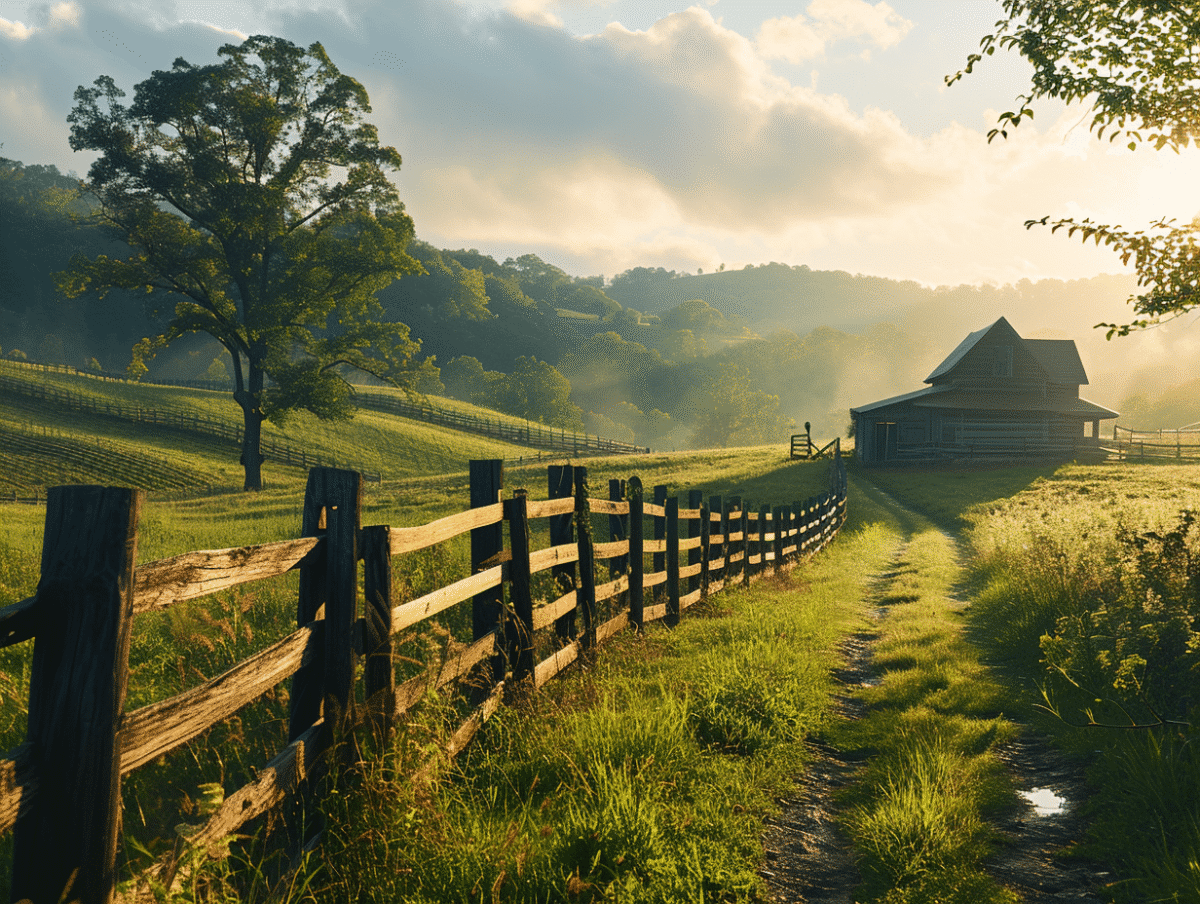
Real estate investment is reinventing itself, with increasing attention to rural areas. Once neglected in favor of metropolitan areas, these regions are now attracting interest for their tranquility and authentic living environment. Remote work has amplified this trend, freeing professionals from geographical constraints. Attractive prices, quality of life, and long-term appreciation potential are piquing the interest of savvy investors. Navigating this market requires a nuanced understanding of local specifics, available infrastructure, and development prospects. The keys to a successful investment in rural areas lie in a well-thought-out strategy and a rigorous analysis of opportunities.
The potential of real estate investment in rural areas
Real estate investment in rural areas is on the rise. Property prices remain very attractive, often significantly lower than those in urban centers. Rural real estate thus offers interesting yield opportunities for investors looking to diversify their assets. The health crisis marked a turning point, sparking a desire for nature and a better quality of life among city dwellers. This quest for authenticity and quality of life enhances the value of rural properties for both primary residences and seasonal rentals.
Remote work, facilitated by technological advances, could reverse the trend of rural exodus and exert decreasing pressure on urban real estate markets. Attractive regions such as Brittany, Normandy, Auvergne, or Ardèche are becoming prime targets for rental investment or the acquisition of a second home. The rental market in rural areas also offers significant advantages: rental prices are about 25% lower than those in the city for a comparable apartment.
Tax incentives remain a considerable asset for real estate investment. Schemes such as the Pinel law encourage investment in new properties with substantial tax benefits. However, investors must remain attentive to the specifics of these measures in rural areas. The civil real estate investment company (SCPI) also represents a relevant form of investment, allowing the purchase of real estate shares and receiving dividends without the constraints of direct management.
The real estate market in 2023 presents opportunities for investors. Despite a slight rise in interest rates and persistent inflation, the allure of the countryside is growing stronger. For those looking to take advantage of this potential, ‘Immo et Moi’ recommends a thoughtful and personalized approach to align personal aspirations with market opportunities.

Practical tips for successful investment in rural areas
Find a property that meets immediate and future needs. Indeed, the primary residence must adapt to the buyer’s requirements, not only in the short term but also with a view to longevity. This involves considering the potential evolution of local infrastructure, access to services, and the surrounding quality of life. In rural areas, these criteria often mean tranquility and space, major assets for a lasting residence.
For seasonal rentals, the choice of region is crucial. Opt for locations with high tourist appeal, such as Brittany or Normandy, to maximize profitability. This form of investment can indeed be optimized during the high season, when rental demand surges. However, ensure rigorous management during off-peak periods, which can affect overall yield.
The rural rental market, for its part, offers moderate rents that are on average 25% lower than those in urban areas for comparable properties, which can be an attractive lever for potential tenants. Invest in areas where rental demand is stable or growing, relying on local demographic and economic studies.
Maximize available tax benefits. The Pinel law allows, for example, for a notable tax reduction on the purchase of new properties in rural areas, under certain conditions. Analyze the current tax incentive schemes to reduce the tax impact of your investment. A thorough understanding of tax laws and regulations is essential to optimize your investment in rural areas.