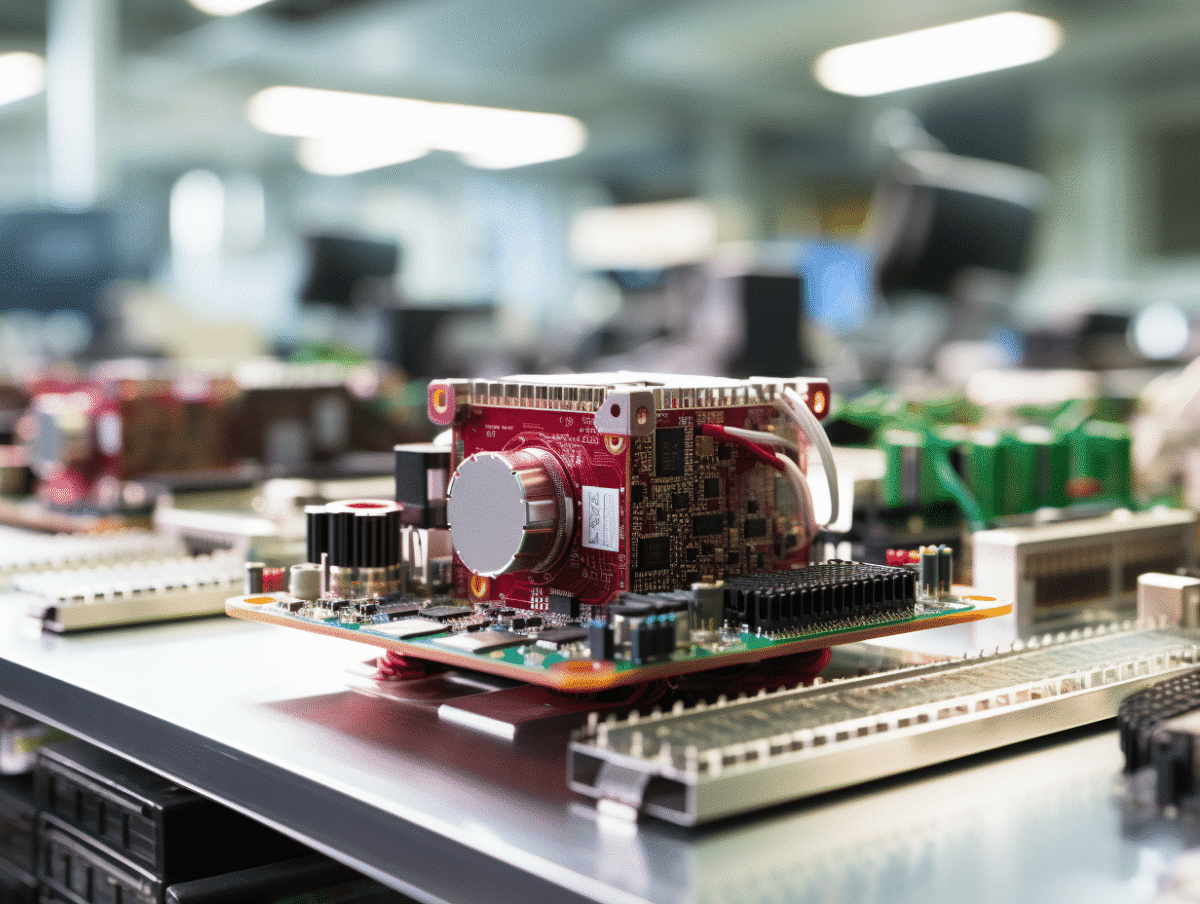
In the world of computing and single-board computers, the Raspberry Pi 4 has risen to prominence, valued for its versatility and ability to handle various projects, from learning programming to creating media centers. Its performance can be hindered by excessive heat buildup. Effective thermal management is therefore crucial to maintain its performance and extend its lifespan. Optimizing the cooling of this little technological marvel is possible through several methods and tips that ensure optimal operation even under the most intense workloads.
Effective Strategies for Cooling the Raspberry Pi 4
The Raspberry Pi 4, in its quest for performance, faces a rise in temperature that can jeopardize its integrity and that of its components. Cooling is a central issue for maintaining the stability of this device. Several solutions can be considered to optimize the internal temperature of this microcomputer. The first step is to ensure that the Raspberry Pi is not enclosed in a plastic case that traps heat, which is counterproductive for heat dissipation.
An effective method for regulating temperature is the use of heat sinks. These small metal blocks, inexpensive and easy to install, are placed directly on key components, such as the processor. They absorb heat and dissipate it through their large surface area in contact with the ambient air, thus maintaining an adequate temperature. The Raspberry Pi 4 fan connection allows for the addition of a specific fan to provide a continuous airflow, enhancing the overall cooling system’s effectiveness.
Overclocking, a common practice to boost processor performance, inevitably increases the Raspberry Pi’s temperature. In such circumstances, combining heat sinks and a fan is recommended to prevent overheating. Remember that the stability of the power supply is also a key factor for the optimal functioning of your Raspberry Pi. An unstable or inadequate power supply can contribute to temperature issues and affect the overall performance of the device.

Accessories and Modifications to Optimize Temperature
At the heart of cooling devices, the heat sink stands out for its simplicity and low cost. This component, essential for maintaining the appropriate temperature of your Raspberry Pi, operates on the principle of thermal conductivity. Metal, an excellent conductor, captures the heat emitted by the processor and then dissipates it into the ambient air, thus avoiding temperature spikes detrimental to system performance.
The fan for Raspberry Pi, complementary to the heat sink, provides a dynamic response to maintaining a stable temperature. By generating a constant airflow, this small equipment helps to remove accumulated heat around the components, especially during intensive use or overclocking. Several models, suited to different versions of the Raspberry Pi, are available, offering users the opportunity to customize their cooling system according to their needs.
The choice of case should not be overlooked. Indeed, a poorly ventilated case can turn your Raspberry Pi into an oven, compromising its durability. Cases with strategic openings or designed with materials that promote heat dissipation represent a wise investment for optimizing your device’s cooling. Some models even integrate mounts for heat sinks and fans, combining aesthetics and functionality.
The quality of the power supply is of paramount importance. A stable and adequate power supply is the cornerstone of the Raspberry Pi’s proper functioning, ensuring not only a constant energy supply but also contributing to thermal regulation. Be sure to use certified power supplies that meet the technical specifications of your Raspberry Pi to prevent any fluctuations that could lead to overheating.