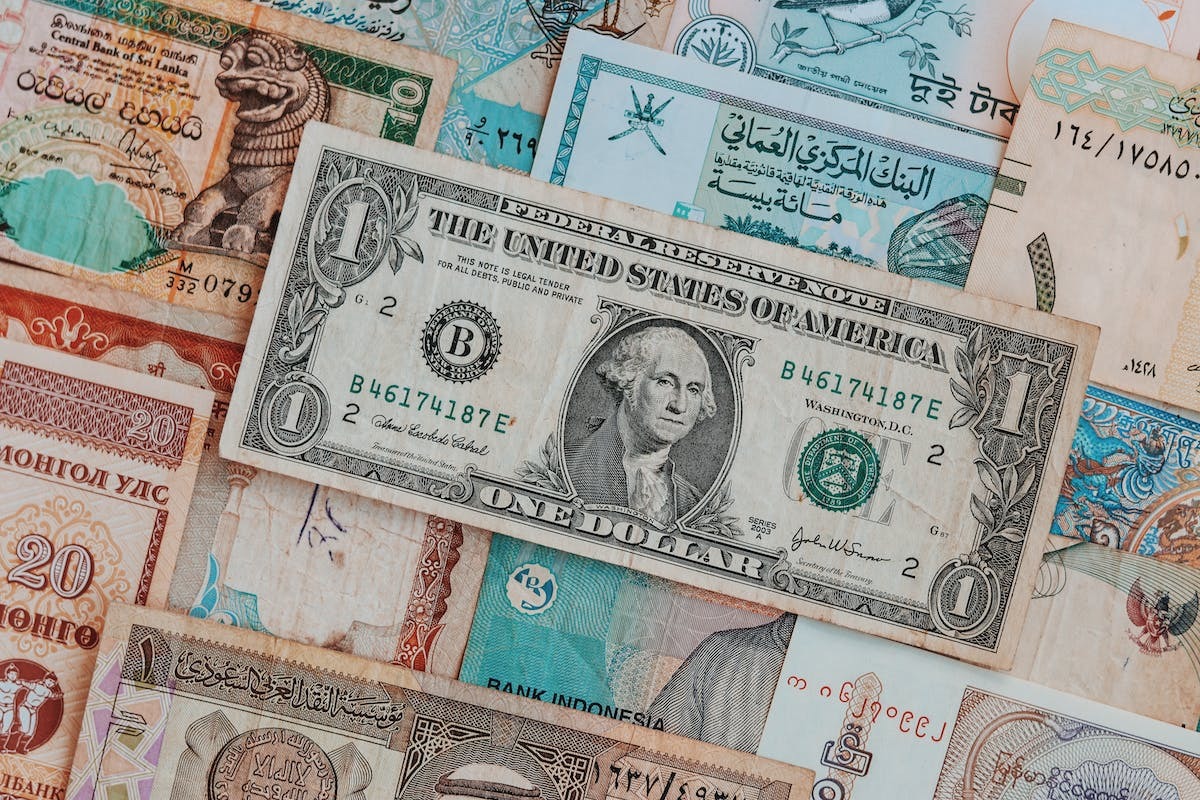
Imbued with unparalleled historical richness, Egypt, with its current currency, reflects its ancient past and future aspirations. Let us dive into the maze of symbols and history that have shaped this currency, an echo of national pride and the cultural identity of the country. This currency, much like the hieroglyphs engraved on the walls of the pyramids, is a reflection of Egyptian resilience, a compass guiding the nation through the tumultuous seas of history. By deciphering its meaning, we unveil not only the character of Egypt but also its struggles, triumphs, and constant evolution.
The origin of the Egyptian currency: a millennia-old story
The current currency of Egypt, the Egyptian pound (EGP), finds its roots in the tumultuous past of the country. Historically, Egypt has used various currencies over the centuries, each reflecting the influences and conquests that have shaped its destiny. It was in 1834 that the first modern Egyptian currency appeared in the form of a gold coin bearing the image of the Ottoman Sultan Mohamed Ali Pasha.
In the early 20th century, after a period of British occupation and a growing nationalist movement in Egypt, the National Bank of Egypt was founded and introduced a new currency: the Egyptian pound (EGP). Proudly bearing the symbol of the Nile with its intertwined branches as well as a desert ibex, emblem of strength and resilience in this arid region.
This currency represented not only the flourishing economy of the country but also its fierce will to regain its political and economic independence. Even today, these symbols are printed on every banknote issued by the Central Bank of Egypt, thus perpetuating this rich and committed history.
The choice of symbols present on the Egyptian currency is not trivial. The Nile has long represented the very heart of Egypt; this majestic river has been synonymous through the ages with fertility, life, and abundance. It also symbolizes the unity of the country, connecting the fertile delta in the north with the lush valley upstream.
As for the desert ibex (Capra nubiana), it embodies both strength, agility, and resilience in the face of the arid conditions that characterize Egypt’s desert regions. This choice thus highlights the courage and determination of the Egyptian people in the face of adversity.
The symbols chosen to represent this current currency have a profound significance for Egyptians. The Nile is much more than just a watercourse; it is a true pillar of their national identity. Its presence on every banknote reminds citizens that their fate is intertwined with that of the legendary river.
The desert ibex, for its part, embodies the essential qualities needed to thrive in a hostile environment. Its appearance on the currency reminds Egyptians that they possess the same inner strength that will allow them to overcome all obstacles encountered on their path to a better future.
Over the years, several modifications have been made to the Egyptian currency to reflect the political and economic changes in the country. Iconic figures like Tutankhamun or Nefertiti adorned some banknotes when they were in circulation.
In 2005, a new series of banknotes was introduced with enhanced security measures to combat counterfeiting. These banknotes retained the traditional symbols of the Nile and the desert ibex, but with a more modern design.
The Egyptian pound (EGP) has been used as the official currency in Egypt since 1834. It is widely accepted throughout the country and circulates freely in local markets.
Today, Egypt is experiencing a booming economy, attracting both national and international investors. The Egyptian currency thus plays a crucial role in the economic and financial development of the country.
Beyond its financial utility, the Egyptian currency also has a significant cultural impact. The symbols present on each banknote remind Egyptians of their ancient history and unique identity.
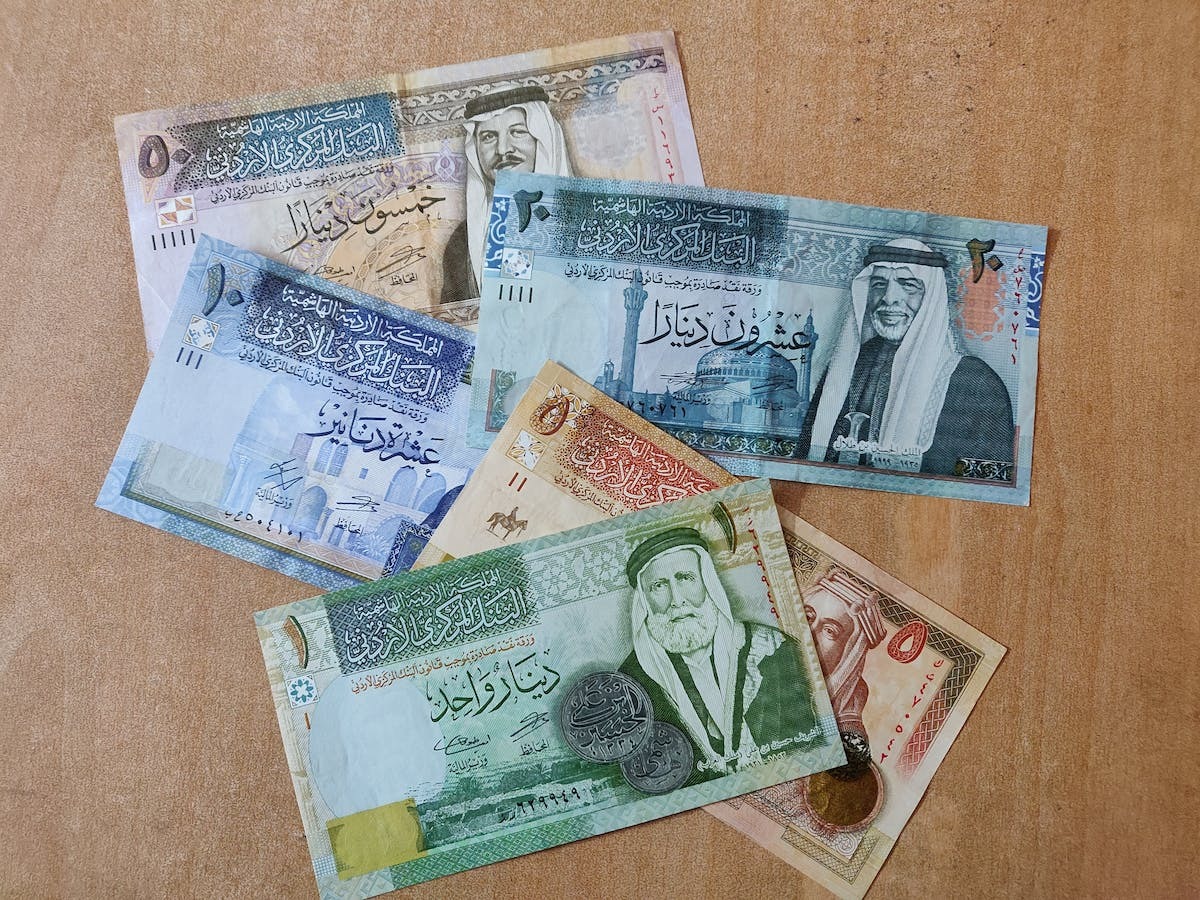
The symbols of the Egyptian currency: a cultural wealth
The symbols present on the Egyptian currency testify to the importance of nature and cultural heritage in the country. The Nile, with its intertwined branches, represents not only a vital source of water and fertility for the surrounding agricultural lands but also a deeply rooted spiritual link in the collective consciousness of Egyptians.
The desert ibex, for its part, embodies the strength and adaptability necessary to survive in the arid regions of the country. This emblematic animal is a constant reminder of the tenacity of the Egyptian people in the face of the climatic and geographical challenges they encounter.
Beyond their symbolic meaning, these symbols also have an economic dimension. Indeed, tourism being one of the main sources of income in Egypt, they contribute to strengthening the country’s image as a unique destination where ancient history and natural beauty harmoniously combine.
These symbols are used as distinctive elements on Egyptian banknotes to effectively prevent counterfeiting. The intricate details associated with the Nile and the desert ibex make it difficult for counterfeiters to reproduce them fraudulently.
Throughout its tumultuous history, Egypt has seen different political eras that have influenced the design of banknotes. Historical figures such as Tutankhamun or Nefertiti have been represented on some of them to highlight the rich cultural heritage of the country.
Today, the Egyptian currency is used daily by Egyptians to conduct commercial and financial transactions. It is also accepted in several neighboring countries, thus facilitating regional economic exchanges.
The Egyptian pound continues to evolve in response to the needs of the modern economy. In 2005, a new series of banknotes was introduced with advanced security measures to prevent counterfeiting. This initiative reflects the government’s ongoing commitment to protect monetary integrity and maintain the confidence of national and international investors.
The Egyptian currency embodies not only the glorious past and natural riches of the country but also reflects its current economic dynamism. The symbols present on each banknote are much more than mere decorative motifs; they tell a captivating story of national identity and remind Egyptians of their deep connection to their homeland.
Meaning and importance of the symbols on the Egyptian currency
The symbols present on the Egyptian currency carry a deep meaning and are of capital importance for the country. Each chosen element represents fundamental values and aspects of Egyptian identity.
The first symbol, the Nile, is a constant reminder of the historical and cultural wealth of the Egyptian people. The majestic river has nourished the fertile lands of Egypt for millennia, allowing a flourishing civilization to thrive on its banks. In addition to being a vital source of water for agriculture, the Nile also symbolizes life itself, embodying the perpetual cycle of regeneration and growth.
The wild desert goat is another powerful symbol present on the Egyptian currency. This robust animal represents resilience and adaptability in the face of the arid conditions inherent to the deserts that dot the Egyptian territory. It also embodies an indomitable spirit that refuses to be defeated by the challenges encountered.
These symbols are not limited to their conceptual meaning. They also have considerable economic value for Egypt. As a major tourist destination, these iconic symbols help attract visitors from around the world by creating a strong image associated with the country’s unique natural heritage.
They play an essential role in the fight against monetary counterfeiting in Egypt. The meticulously designed details of the symbols of the Nile and the wild goat make it difficult for counterfeiters to reproduce them fraudulently. This reinforces confidence in the Egyptian currency and protects the national economy.
Throughout Egypt’s tumultuous history, the symbols present on the currency have also evolved to reflect different political eras. Some banknotes highlight iconic historical figures such as Tutankhamun or Nefertiti, thus emphasizing the deep connection between the glorious past and the dynamic present of the country.
Today, the Egyptian currency is used daily by Egyptians to conduct their commercial and financial transactions. It also plays an important role in regional economic relations with several neighboring countries that accept this currency.
Egypt continues to innovate to meet the demands of the modern economy. In 2005, a new series of banknotes was introduced with advanced security measures to effectively prevent counterfeiting. This initiative reflects the government’s ongoing commitment to maintain monetary integrity while fostering a favorable climate for national and international investments.
The Egyptian currency is much more than a simple means of exchange; it embodies the exceptional cultural heritage, resilience in the face of environmental challenges, and the current economic dynamism of the Egyptian people. The symbols present on each banknote tell a fascinating story and remind Egyptians of their deep connection to their country while captivating the imagination of the rest of the world.
The historical evolution of the Egyptian currency over the centuries
Throughout history, the Egyptian currency has undergone different phases of evolution that reflect the political and economic changes in the country. Before the introduction of the modern currency, Egypt used barter systems based on trade and precious metals such as gold and silver.
It was not until 1834 that the first banknote was issued by the newly established Bank of Egypt. At that time, the banknotes were denominated in Ottoman Turkish pounds, as Egypt was part of the Ottoman Empire. With the decline of this empire in the early 20th century, a new era began for the Egyptian currency.
In 1916, during World War I, under British occupation since 1882, a new monetary system was introduced by the colonial authorities. The pound sterling then became the official currency in Egypt until its independence in 1952.
After gaining its political independence from the British in 1952 through a military coup led by Gamal Abdel Nasser and his fellow nationalist officers, the free state of Egypt then decided to issue its own national currency to symbolize its regained sovereignty.
Thus was born the current Egyptian pound (EGP), which definitively replaced the pound sterling in 1952. Since then, the currency has experienced some fluctuations, particularly during periods of economic crises. However, thanks to the prudent monetary policies pursued by the Central Bank of Egypt and other measures taken to promote the financial stability of the country, Egypt has managed to maintain a relatively stable currency in a volatile global context.
Over the decades, several series of banknotes have been issued with renewed designs to reflect the evolution of Egyptian society and its aspirations. The symbols present on these banknotes have also been adapted to better represent the contemporary values of the Egyptian people.
Today, in the 21st century, Egypt positions itself as a regional economic power with a strong currency recognized in the international market. The Egyptian pound is accepted in many neighboring countries as well as by some important trading partners due to a flourishing economy and a dynamic tourism sector that contribute to supporting its value.
The evolution of the Egyptian currency reflects not only the major political and economic changes that the country has undergone throughout its tumultuous history but also the constant desire of the Egyptian people to preserve their distinct cultural identity through their national currency. The current currency thus proudly symbolizes the past and present achievements of the Egyptian people while paving the way for a promising future on the international stage.
The Egyptian currency today: a national currency
In the current use of the Egyptian currency, the Egyptian pound (EGP) is widely accepted and used throughout the country. Banknotes are available in different denominations, ranging from 5 to 200 EGP, allowing citizens to conduct daily transactions without issue.
Coins are also in circulation with nominal values ranging from 25 piastres to 1 Egyptian pound. Although digital transactions are becoming increasingly common due to the development of financial technologies, the use of cash remains predominant in Egypt.
As the legal means of payment in the country, the Egyptian pound facilitates local trade as well as international operations.
The Egyptian currency: a cultural symbol rooted in society
The cultural impact of the Egyptian pound cannot be overlooked. Beyond its use as a means of exchange, it embodies the economic and historical identity of the country.
Historically, the Egyptian currency has undergone several changes over the years. From the use of the Egyptian piastre during the Ottoman period to the introduction of the Egyptian pound sterling under British protectorate, each modification symbolized a step in Egypt’s economic development.
Today, the national currency is a powerful symbol that reflects the values and achievements of the country. The banknotes are adorned with iconic images such as ancient temples, famous pharaohs, and important historical figures. These visual representations remind Egyptians of their rich cultural heritage and encourage a sense of national belonging.
The currency is also used in various aspects of daily life in Egypt. For example, when it comes to negotiating or bargaining at the local market or even during international commercial transactions involving Egyptian products such as cotton or aluminum.
The monetary system plays an essential role in tourism in Egypt. Visitors can easily exchange their currencies for Egyptian pounds to fully enjoy the country’s tourist attractions without worrying about issues related to fluctuating exchange rates.
It should be noted that despite its significant cultural importance, some challenges also arise. Inflation and economic fluctuations can weaken the value of the currency, which can negatively impact the purchasing power of citizens.
In summary, the Egyptian currency is much more than a simple means of exchange in Egypt. It embodies the history and identity of the country while having a profound influence on its culture and economy. The Egyptian pound remains a powerful symbol of the rich and diverse heritage of this great nation.