In Dancharia, the price of a liter of whisky is sometimes half of what it is on the other side of the border. This is not a labeling error, but the result of much lighter Spanish taxation, making this village a must-stop for anyone wanting to buy alcohol and tobacco without breaking the bank.
Dancharia: a border village that has become essential for bargain hunters
Situated at the border of the Spanish Basque Country, Dancharia has become the favorite hunting ground for residents of Bayonne, Saint-Jean-de-Luz, Hendaye, and even Bordeaux. Nestled between mountains and the border, the village attracts an unending stream of buyers every week, all on the lookout for glaring price discrepancies. Dantxaria, as it is also called, has built a solid reputation on a simple argument: here, the price difference with France is not a detail, but a significant gap.
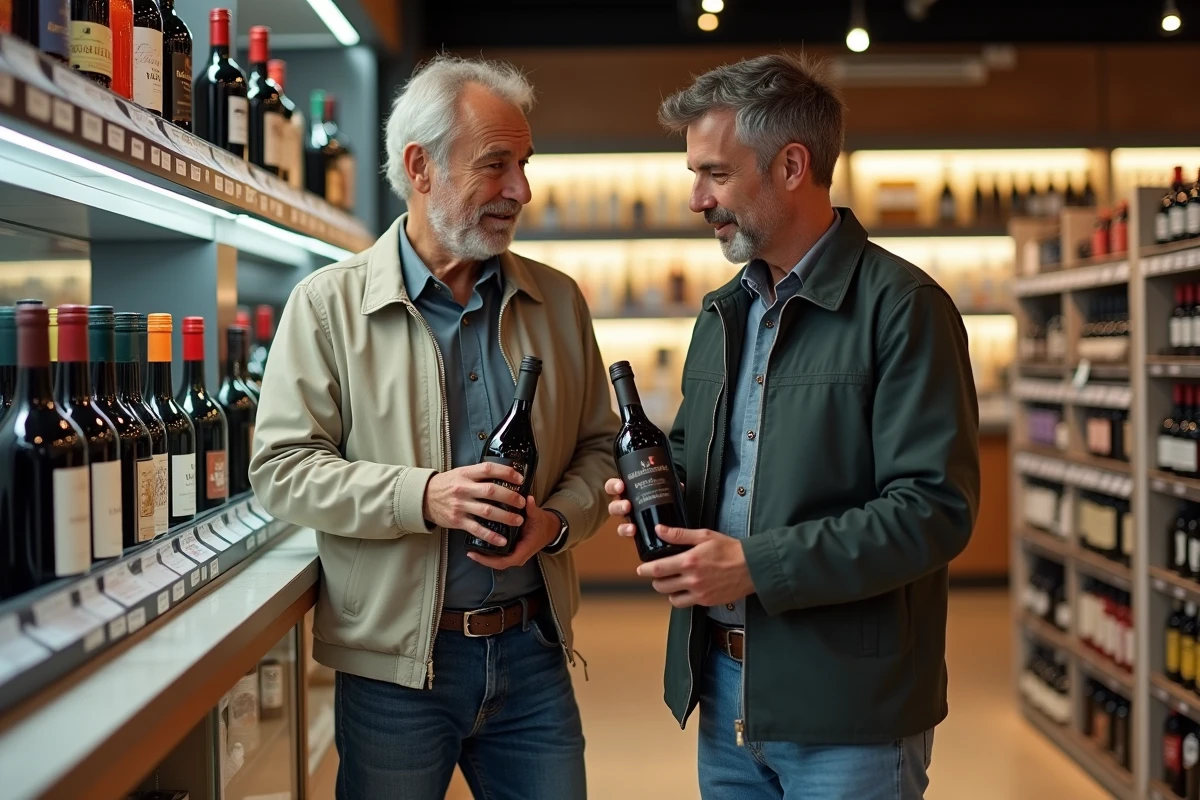
Cars line up, sometimes for hundreds of meters, especially on weekends. People come for the ventas of the Basque Country, those typical establishments where the motto is economy. The prices of alcohol in Dancharia fuel discussions among regulars and newcomers alike. Businesses have multiplied, with specialized centers leading the way, to cater to this loyal clientele. The selection is not limited to spirits: whisky, gin, vodka, but also olive oil and local charcuterie, make up an offer that continues to expand.
This border zone has shaken up habits. Here, the French-Spanish border no longer stops anyone: it serves as an entry point to another economic model. You can spot license plates from Gironde, Aquitaine, and the interior of the Basque Country. Everyone crosses the border to load up their trunk and head towards Irun, Arnéguy, the Ibardin pass, or Landibar, key locations for cross-border trade.
But Dancharia is not limited to alcohol or tobacco. The friendly atmosphere of the ventas, these places where artisanal products and local specialties mingle, adds to the appeal. One discovers a universe where economy, geography, and Basque identity intersect.
Why do alcohol and tobacco prices defy all competition here?
The French-Spanish border is much more than an administrative line: it marks a clear break in the way taxes are applied. In Dancharia, alcohol and tobacco are priced in a way that would make any French wine merchant pale. On one side, France imposes significant taxes, strict controls, and a series of restrictions. On the other, Spain opts for lighter taxation, paving the way for prices that defy all competition, whether for whisky, gin, vodka, or even Ricard.
To better understand these discrepancies, here’s what distinguishes the two markets:
- Alcohol prices: on certain common bottles, the price can be halved.
- Tobacco: the difference sometimes exceeds €4 per pack depending on the brand.
The proximity of the border makes Dancharia a meeting point for cross-border shopping. Every Saturday, families arrive from Bayonne, Bordeaux, or Hendaye, ready to lower their bills. The ventas, especially chains like Venta Peio, adapt their offerings: promotions on virgin olive oil, entire aisles dedicated to spirits.
This Spanish model has an undeniable advantage: it encourages consumption. The shelves overflow with references, from cognac to local liqueurs, including classics like Ricard or tequila. For the customer, the difference is felt at the checkout, where the average basket is significantly lighter than in France. This is what continues, year after year, to attract so many people to Dancharia and its ventas at the border of the Basque Country.
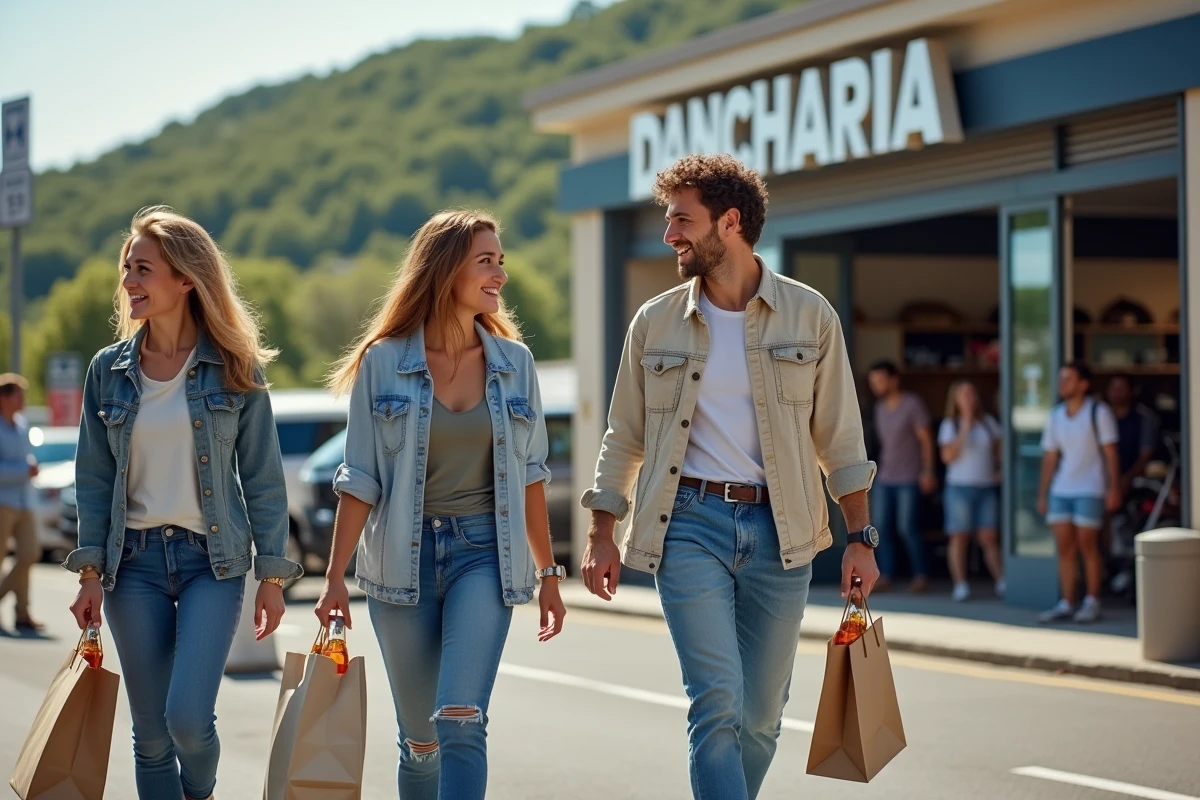
Discover the unique atmosphere of Basque ventas: much more than just a shopping trip
In Dancharia, the allure of cross-border shopping is not limited to the hunt for savings. The ventas of the Spanish Basque Country impose their style, far from the standardization of traditional supermarkets. One encounters a colorful crowd, where both Basque and Spanish or Gascon can be heard. The aromas of charcuterie, aged cheeses, and Navarre olive oil compete for attention, while friendliness reigns among the stalls.
Places like the Ibardin Pass or Landibar illustrate this dynamism: here, gastronomy and local products are in the spotlight, alongside sought-after spirits. Vendors do not hesitate to offer advice, share the story of a cheese, or guide you to the right bottle. Often, one lingers at the counter for a coffee or a simple meal, in a room where life is bustling.
Here’s what makes these Basque ventas special:
- Vibrant atmosphere: family restaurants, terraces open to the mountains.
- Local recipes: txistorra, sheep cheeses, local pastries.
- Craftsmanship: ceramics, textiles, knives, reflecting authentic Basque know-how.
Some make the journey from Saint-Jean-de-Luz, Saint-Jean-Pied-de-Port, or even Bordeaux, not to fill their trunk, but to experience the vibrant border atmosphere. Here, the transaction is not just about purchasing: it becomes a human interlude, a moment shared in the powerful backdrop of the Pyrenees.